
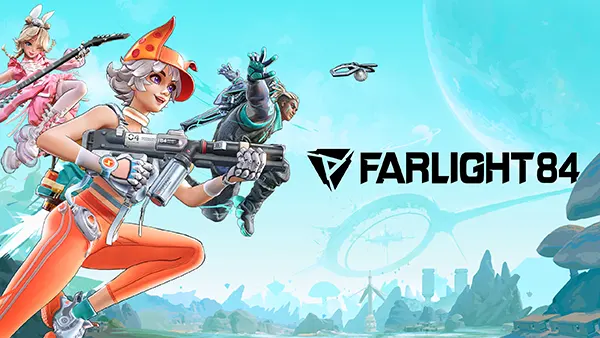
Farlight 84 — Combat Dynamics and Unique Heroes in a Mobile Battle Royale
Farlight 84 has established itself as a distinctive entry in the mobile battle royale genre by prioritising speed, vertical movement, and character-driven gameplay. As of 2026, the game continues to evolve through regular updates, refining its mechanics and expanding its roster of heroes. Unlike more traditional titles in the genre, it focuses not only on shooting accuracy but also on tactical use of abilities, positioning, and team coordination, making each match feel more strategic and less predictable.
High-Speed Combat Mechanics and Movement Systems
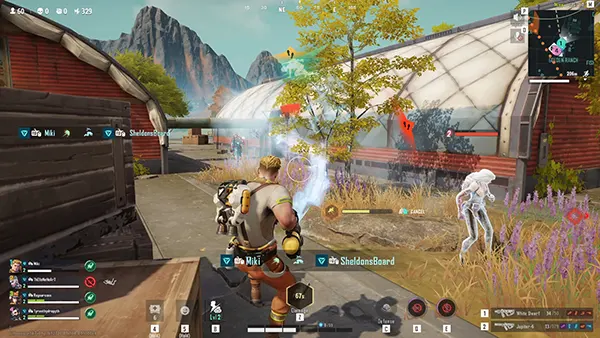
The defining feature of Farlight 84 is its fast-paced combat, built around jetpack mobility. Players are no longer restricted to ground-level engagements, as vertical movement allows them to reposition quickly, escape danger, or gain a tactical advantage. This creates a battlefield where fights are constantly shifting rather than locked into static exchanges.
Vehicles are integrated into combat rather than serving only as transportation. Armed transports, hover units, and specialised vehicles provide both mobility and firepower, allowing teams to rotate quickly across the map or initiate aggressive pushes. Their presence adds another layer of decision-making, especially in mid- and late-game scenarios.
Weapon design balances accessibility and depth. Each category offers consistent handling while still rewarding precision and timing. By 2026, adjustments to recoil patterns and damage scaling have improved combat clarity, reducing randomness and allowing players to rely more on skill and awareness.
How Mobility Redefines Engagement Strategy
Jetpack movement changes how players approach fights. Traditional tactics such as holding fixed positions or relying solely on cover become less reliable, as opponents can attack from above or reposition within seconds. This makes awareness of surroundings essential at all times.
Team coordination becomes more important in a highly mobile environment. Squads that move together and combine their positioning with ability usage can control engagements more effectively. While solo play remains viable, organised teams gain a clear advantage in higher-level matches.
Resource management also plays a key role. Jetpack fuel, cooldowns, and vehicle durability must be monitored carefully. Mismanaging these elements can leave players exposed at critical moments, particularly during the final stages of a match.
Unique Hero System and Role Diversity
Unlike many battle royale games that rely on identical characters, Farlight 84 introduces a hero-based system. Each character has a distinct set of abilities and a defined role, such as offensive, defensive, or support. This approach adds a strategic layer that influences both individual playstyle and team composition.
By 2026, the roster includes a wide range of heroes, each designed to suit different approaches to combat. Some excel at mobility and flanking, while others provide healing, shielding, or area control. This diversity allows players to adapt their choices depending on the situation or preferred tactics.
Ongoing balance updates ensure that no single hero dominates the game. Developers regularly adjust ability effectiveness, cooldown durations, and overall performance, maintaining a fair environment where multiple strategies remain viable.
Impact of Hero Abilities on Match Outcomes
Hero abilities often determine the outcome of key engagements. Defensive skills can absorb damage during critical moments, while mobility abilities allow players to reposition and avoid elimination. These mechanics add depth beyond standard shooting interactions.
Timing is essential when using abilities. Activating a skill too early or too late can reduce its effectiveness, especially in high-pressure situations. Experienced players develop an understanding of when to commit resources and when to hold them for later stages of a fight.
Synergy between heroes is equally important. Combining abilities—such as crowd control with damage boosts or healing—can overwhelm opponents quickly. This makes team composition and coordination a crucial part of long-term success.
Map Design, Modes, and Competitive Evolution
The maps in Farlight 84 are built to support its fast and vertical gameplay. Urban structures, open spaces, and elevated positions encourage constant movement and varied engagement distances. Players must adapt their strategies depending on terrain and visibility.
Game modes have expanded beyond the standard battle royale format. Limited-time events and ranked modes provide alternative experiences, while ranked play offers structured progression and more balanced matchmaking. These systems help maintain long-term player interest.
Performance optimisation remains a priority. The game runs smoothly on a wide range of devices, ensuring stable frame rates even during intense combat. Continuous updates improve stability and compatibility with newer hardware, supporting both casual and competitive players.
Competitive Scene and Player Adaptation
The competitive scene has grown steadily, with community tournaments and organised events showcasing advanced strategies. Techniques such as coordinated vehicle assaults and layered ability usage are becoming more common among experienced players.
Adapting to updates is essential for maintaining performance. New heroes, balance changes, and map adjustments regularly influence the game’s meta. Players who stay informed are better prepared to adjust their tactics and remain competitive.
Long-term engagement is supported by seasonal updates, progression systems, and consistent content additions. These elements keep gameplay fresh while maintaining a stable player base, which contributes to better matchmaking and overall game longevity.
Similar articles
-
Farlight 84 — Combat Dynamics an...
Farlight 84 has established itself as a distinctive …
-
 Nintendo Switch 2: What Has Actu...
The original Nintendo Switch has remained relevant for …