

Honkai: Star Rail PvE Team Building: Roles, Light Cones and Relics
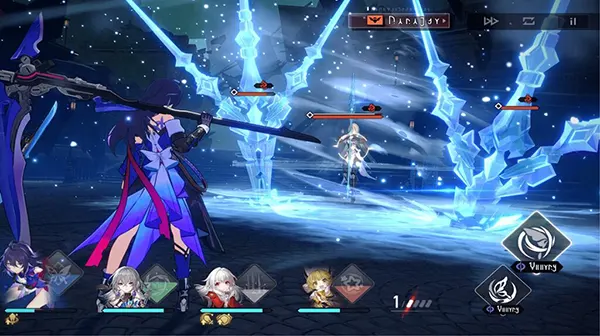
Efficient PvE progression in Honkai: Star Rail depends on a clear understanding of team roles, equipment synergy and combat pacing. Unlike random compositions, a structured squad allows players to handle story chapters, Simulated Universe and endgame modes with predictable results. This guide focuses on practical team assembly principles used by experienced players in 2026.
Core PvE Roles and Team Structure
Every stable PvE team is built around defined combat roles rather than individual characters. Damage dealers, sustain units and supports must complement each other through turn order, energy flow and skill point economy. Ignoring these fundamentals often results in fragile squads that struggle in prolonged encounters.
Main damage dealers are usually characters following The Hunt, Destruction or Erudition paths. Their purpose is consistent or burst damage depending on encounter design. In PvE, reliability matters more than peak numbers, especially in boss fights with multiple phases.
Support and sustain characters form the backbone of survivability. Harmony and Nihility units amplify damage or control enemies, while Abundance and Preservation characters ensure the team survives extended battles without relying on consumables.
Role Synergy in Practical PvE Scenarios
Synergy in PvE is defined by how roles interact over multiple turns. A single carry supported by buffers performs better than two competing damage dealers sharing limited skill points. This approach reduces rotation conflicts and stabilises damage output.
Debuff-based supports are particularly effective against elite enemies and bosses. Defence reduction, speed control and damage vulnerability scale well with stronger relics and higher difficulty content, making Nihility characters valuable long-term investments.
Sustain units should match encounter pressure rather than raw healing numbers. Shield-based preservation units excel in burst-heavy fights, while healers provide consistency in attrition-focused modes such as long Simulated Universe runs.
Choosing Light Cones for PvE Efficiency
Light Cones define a character’s performance ceiling in PvE. Selecting a cone based on role alignment is more important than rarity alone. A well-matched four-star option often outperforms an unsuitable five-star choice.
For damage dealers, Light Cones that boost critical rate, damage scaling or follow-up attacks offer the most consistent results. These bonuses remain effective across different enemy types and do not rely on narrow conditions.
Support Light Cones should focus on energy regeneration, team buffs or debuff application. Faster ultimate access directly improves rotation stability, especially in teams built around burst windows.
Light Cone Selection by Role Type
The Hunt and Destruction characters benefit from cones that reward speed and sustained damage. Effects that trigger on turn start or basic attacks maintain value throughout long fights.
Harmony characters perform best with Light Cones that enhance ally stats or restore energy after skill usage. This ensures constant buff uptime without draining team resources.
For Abundance and Preservation units, defensive scaling and effect resistance provide more PvE value than raw numbers. Surviving control-heavy encounters often matters more than maximum healing output.
Relic Sets and Planar Ornaments
Relics shape how characters scale into late-game PvE. Set bonuses should align with a character’s damage source and rotation timing. Mixing incompatible bonuses leads to inefficient stat distribution.
Main relic sets determine combat identity, while planar ornaments refine performance. Critical-focused characters rely heavily on planar sets that reward threshold stats rather than flat bonuses.
Farming efficiency also matters. Prioritising universal relic sets allows players to equip multiple characters without excessive resource investment.
Optimising Relics for Long-Term PvE Progression
Damage dealers should focus on attack, critical rate and critical damage depending on their scaling. Speed tuning becomes essential in advanced content where turn order decides fight outcomes.
Support characters benefit more from speed, energy regeneration and effect hit rate than offensive stats. Proper tuning ensures buffs and debuffs are applied before damage phases.
Sustain units should balance defence, health and resistance. Over-investing in a single stat often leads to diminishing returns, while balanced builds provide better overall survivability.
Similar articles
-
 Farlight 84 — Combat Dynamics an...
Farlight 84 has established itself as a distinctive …
-
 Nintendo Switch 2: What Has Actu...
The original Nintendo Switch has remained relevant for …