

Beginner’s Guide to Subnautica 2: Survival, Co-op and Essential Early Resources
Subnautica 2 continues the series’ focus on underwater survival, exploration and base management while introducing a larger emphasis on cooperative gameplay and dynamic environments. For new players, the opening hours can feel overwhelming because every decision affects oxygen levels, hunger, equipment progress and long-term survival. Understanding how to secure food, gather materials and move safely through unfamiliar biomes is far more important than rushing deeper into the ocean.
How to Survive Your First Hours in Subnautica 2
The beginning of Subnautica 2 is built around resource efficiency. Your first priority should always be oxygen management because the early equipment has strict limitations. Short dives near the starting zone are the safest option during the opening phase. Collecting basic materials such as Titanium, Fibre Mesh ingredients and Copper Ore allows you to build survival tools without taking unnecessary risks. Most players who lose progress early tend to stay underwater too long or travel too far from the starting pod without preparation.
Food and water systems are more demanding in Subnautica 2 compared with earlier entries in the series. Small fish can be caught by hand near shallow coral areas, while filtered water becomes available after crafting simple survival equipment. It is useful to establish a routine: gather resources during daylight, craft essentials before nightfall and avoid deep caves until additional oxygen capacity is unlocked. Darkness underwater reduces visibility dramatically, making navigation more dangerous for inexperienced players.
Scanning technology also plays a major role from the start. The Scanner tool allows players to unlock blueprints for improved fins, storage containers and habitat modules. Fragments are often scattered near wreckage sites and damaged machinery. Spending time scanning everything nearby provides a significant advantage later because advanced crafting recipes depend on completed blueprint data. Ignoring scanning mechanics slows overall progression and limits access to important upgrades.
Essential Starter Tools and Why They Matter
The Scanner should usually be crafted before advanced survival gear because blueprint progression controls almost every technology branch in the game. Without scans, players cannot access improved oxygen tanks, upgraded batteries or advanced construction tools. Carrying the Scanner during every expedition ensures no important fragment is missed.
The Survival Knife becomes valuable once players begin harvesting underwater plants for crafting ingredients. It also provides limited defence against smaller hostile creatures. While combat is not the primary focus of Subnautica 2, having a basic weapon increases survival chances during resource runs through aggressive zones.
The Seaglide remains one of the most important early mobility upgrades in the series. In Subnautica 2, movement speed directly affects oxygen efficiency because travelling faster reduces exposure time underwater. Once crafted, the Seaglide allows safer exploration of distant wrecks, deeper caves and resource-heavy biomes that would otherwise remain inaccessible during the early game.
Understanding Co-op Gameplay and Team Survival
One of the biggest additions in Subnautica 2 is cooperative multiplayer. Unlike the isolated atmosphere of the original title, players can now build, gather and explore together. Co-op changes survival priorities because tasks can be divided between teammates. One player may focus on resource gathering while another expands the habitat or scans technology fragments.
Communication becomes extremely important during deeper expeditions. Dangerous areas often contain aggressive creatures, environmental hazards and narrow cave systems that can quickly separate team members. Coordinated oxygen management and clear navigation plans reduce unnecessary deaths. Sharing beacons and marking important locations also helps teams avoid losing valuable equipment after failed expeditions.
Base construction benefits significantly from multiplayer cooperation. Building larger underwater habitats requires substantial quantities of Titanium, Quartz and advanced crafting materials. In solo play this process can take several hours, but organised groups progress faster by dividing gathering routes across multiple biomes. Efficient co-op teams often establish dedicated storage systems early to avoid wasting time searching for materials.
Best Co-op Strategies for New Players
New teams should avoid splitting up too early. Remaining within visual distance during the opening hours helps players learn biome layouts and identify dangerous areas together. Many early predators are easier to avoid when teammates can warn each other about patrol routes and attack patterns.
Resource specialisation improves efficiency. For example, one player can focus on collecting biological resources for food and medical supplies while another searches for minerals and blueprint fragments. This structure reduces inventory clutter and speeds up technological progression across the entire team.
Shared base planning is another major factor in successful multiplayer sessions. Constructing too many unnecessary modules wastes resources that could be invested in power systems, oxygen support and vehicle upgrades. Teams that prioritise practical expansion usually survive longer and unlock advanced exploration equipment much faster.
Where to Find Important Early Resources
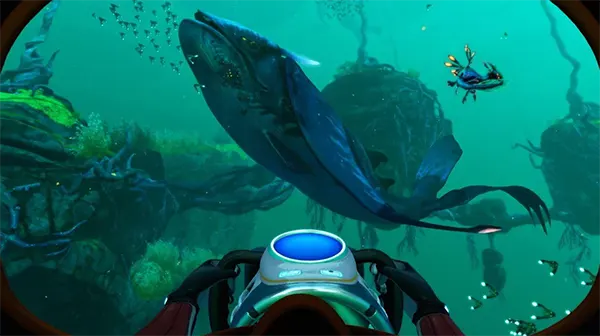
Resource gathering in Subnautica 2 depends heavily on biome awareness. Limestone outcrops located in shallow areas commonly provide Copper and Titanium, both of which are required for nearly every early crafting recipe. Quartz can usually be found near cave entrances and rocky seabeds, while Creepvine regions contain materials necessary for Fibre Mesh and lubricant production.
Silver Ore becomes increasingly important once players begin crafting advanced electronics and habitat upgrades. This material is often hidden deeper inside sandstone deposits located beyond beginner-safe zones. Carrying additional oxygen supplies before searching for Silver significantly reduces the risk of drowning during extended mining trips.
Battery management also affects long-term exploration. Flashlights, Scanners and Seaglides consume energy quickly, especially during extended co-op expeditions. Acid Mushrooms remain one of the easiest battery ingredients to locate in the starting biome, so collecting large quantities early helps avoid equipment shortages later. Experienced players often dedicate storage lockers entirely to battery resources because power consumption increases dramatically during mid-game progression.
Safe Exploration Routes for Early Progression
The safest early exploration route usually follows shallow reef zones surrounding the starting area. These regions contain enough Titanium, Copper and biological materials to support initial crafting without exposing players to larger predators. Spending extra time here before travelling deeper creates a more stable foundation for later exploration.
Wreckage locations should be approached carefully because they often contain valuable blueprint fragments alongside environmental dangers. Some wreck interiors feature narrow passages and confusing layouts that can quickly drain oxygen reserves. Carrying flares or light sources improves navigation and reduces panic during emergency escapes.
As equipment improves, players can begin exploring colder zones, volcanic regions and deeper trench systems introduced in Subnautica 2. These areas contain rarer crafting materials required for advanced submarines, upgraded habitats and high-capacity survival systems. Entering them too early usually leads to avoidable resource loss, so gradual progression remains the safest and most effective strategy.
Similar articles
-
 Letter Pirate: How Competitive M...
Letter Pirate takes a familiar word-game idea and …
-
 Xbox Mode in Windows 11: Can a G...
Windows 11 has moved noticeably closer to the …